Swap battery Indonesia, Kendaraan listrik swap battery, Solusi range anxiety EV, Harga kendaraan listrik murah, Infrastruktur pengisian EV di Indonesia, Kelebihan swap battery, Contoh sukses swap battery internasional, Mobil listrik dengan sistem swap battery, Battery-as-a-service Indonesia, Teknologi swap battery di mobil listrik
Swap battery Indonesia, Kendaraan listrik swap battery, Solusi range anxiety EV, Harga kendaraan listrik murah, Infrastruktur pengisian EV di Indonesia, Kelebihan swap battery, Contoh sukses swap battery internasional, Mobil listrik dengan sistem swap battery, Battery-as-a-service Indonesia, Teknologi swap battery di mobil listrik
The Potential of Battery Swap in Encouraging EV Adoption in Indonesia

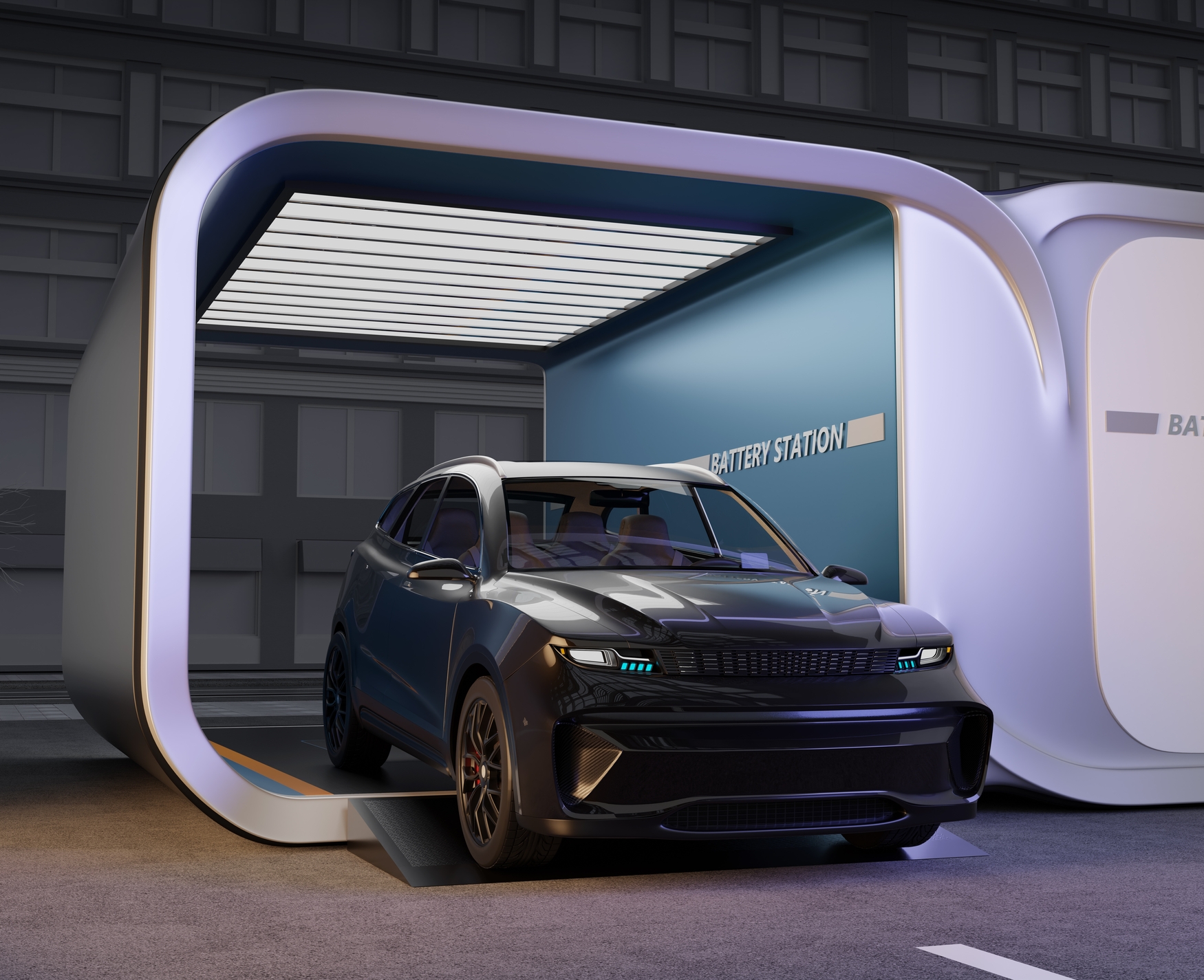
Electric Vehicles (Electric Vehicle/EV) have become the future solution to reduce carbon emissions and dependence on fossil fuels. However, EV adoption in Indonesia still faces various challenges, such as range anxiety, relatively high prices, and lack of charging infrastructure. One innovative solution that can overcome these challenges is swap battery technology. This article will explain the potential of swap batteries in encouraging the adoption of EVs in Indonesia, their advantages in the local context, and examples of successful implementations in other countries.
How Does Swap Battery Overcome Obstacles to EV Adoption?
1. Overcoming Range Anxiety
Range anxiety is one of the main obstacles to EV adoption. Swap batteries offer a quick and practical solution for charging vehicles. With this system, users don’t have to wait long to charge the battery—they just need to replace the empty battery with a fully charged one in a matter of minutes. This will increase user confidence in EV mileage.
2. Lowering the Price of Relatively Expensive EVs
EV prices are often higher than conventional vehicles due to expensive battery costs. Swap battery enables a battery-as-a-service business model, where consumers buy vehicles without batteries and rent batteries as needed. This reduces the upfront cost of purchasing an EV, making it more affordable for Indonesians.
3. Overcoming the Lack of Charging Infrastructure
Limited charging infrastructure is a major challenge in Indonesia. Swap batteries do not require complicated charging stations—only battery exchange stations that are easier and faster to build. This system also reduces the electricity load because batteries can be charged during off-peak hours, optimizing the use of the electricity grid.
Baca juga : Swap Battery vs Charging: Mana yang Lebih Baik?
The Advantages of Swap Battery in the Indonesian Context
Population Density and Urbanization
Indonesia has a high population density, especially in big cities such as Jakarta, Surabaya, and Bandung. Swap battery is suitable for urban areas because it requires less space than traditional charging stations. In addition, the pattern of vehicle use in cities tends to be dense and the distances traveled are relatively short, so swap battery can save users time.
Daily Vehicle Usage Pattern
In Indonesia, motorbikes are the main mode of transportation. Battery swapping is ideal for electric motorbikes because the batteries are smaller and easy to exchange. This system can also be applied to commercial vehicles such as online motorcycle taxis and freight transport, which require fast charging times to maintain productivity.
Government Support
The Indonesian government has expressed its commitment to encouraging the use of EVs through various incentives and regulations. Battery swapping can be part of the government’s strategy to accelerate EV adoption by addressing infrastructure and cost challenges.
Examples of Successful Battery Swap Implementation in Other Countries
1. China
China is a pioneer in battery swap technology, especially through the company NIO. NIO has built a network of battery exchange stations throughout China, allowing EV users to exchange batteries in less than 5 minutes. This technology has contributed to the increased adoption of EVs in the country.
2. Taiwan
In Taiwan, the company Gogoro has successfully implemented battery swaps for electric motorbikes. Gogoro has thousands of battery exchange stations spread across the island, making it easy for users to access a charged battery at any time. Gogoro’s business model has been a successful example for countries with high population densities.
3. India
India has also started to adopt battery swaps, especially for commercial vehicles such as ojeks and electric taxis. Sun Mobility has developed modular battery technology that enables fast and cost-effective swapping.
The Potential of Battery Swap in Indonesia
1. Building an Integrated Ecosystem
To maximize the potential of battery swaps, Indonesia needs to build an integrated ecosystem involving the government, private sector, and community. Battery exchange stations can be placed in strategic locations such as gas stations, malls, and city centers.
2. Collaboration with Local and International Companies
Collaboration with technology companies such as NIO, Gogoro, or Sun Mobility can accelerate the implementation of battery swaps in Indonesia. Local companies can also act as partners in the development and operation of exchange stations.
3. Community Education
Educating the public about the benefits of battery swaps and how to use them is essential to increasing EV adoption. Public campaigns and demo programs can help build consumer confidence.
Battery swapping has great potential to drive EV adoption in Indonesia by addressing barriers such as range anxiety, high prices, and lack of charging infrastructure. The advantages of battery swapping in the Indonesian context—such as population density, vehicle usage patterns, and government support—make it the right solution to accelerate the transition to sustainable transportation. By studying successful examples from other countries, Indonesia can develop an efficient and user-friendly battery swapping system.
If you are interested in learning more about the implementation of battery swaps or would like to discuss EV adoption strategies in Indonesia, please do not hesitate to contact us. Let’s build a greener transportation future together!
-
PT TKDN Tbk (TRON) Supports Public Transportation Electrification through Focus Group Discussions (FGDs) Organized by the Ministry of Transportation
-
APILL Generation 5, Revolutionizing Traffic Management with 3D Digital Twin and AI
-
Road Surface Scanning with LiDAR Technology, the Foundation of Modern Road Asset Management
-
Redefining Urban Mobility: The Crucial Role of Intelligent Traffic Control Systems (ITCS) in the Era of Electric Vehicles
-
Electric Vehicle Battery Swap Revolution: A Smart Solution for Indonesia's EV Ecosystem