Teknologi baterai swap mobil listrik, Keuntungan mobil listrik, Tren kendaraan listrik Indonesia, Apa itu baterai swap?, Perbandingan biaya operasional mobil listrik dan mobil konvensional, Infrastruktur baterai swap di Jakarta, Cara kerja stasiun pengisian kendaraan listrik umum (SPKLU), Harga mobil listrik dengan sistem baterai swap, Promo pembelian mobil listrik dengan baterai swap di Indonesia, Review pengguna mobil listrik dengan baterai swap, Panduan instalasi home charging station untuk mobil listrik
Teknologi baterai swap mobil listrik, Keuntungan mobil listrik, Tren kendaraan listrik Indonesia, Apa itu baterai swap?, Perbandingan biaya operasional mobil listrik dan mobil konvensional, Infrastruktur baterai swap di Jakarta, Cara kerja stasiun pengisian kendaraan listrik umum (SPKLU), Harga mobil listrik dengan sistem baterai swap, Promo pembelian mobil listrik dengan baterai swap di Indonesia, Review pengguna mobil listrik dengan baterai swap, Panduan instalasi home charging station untuk mobil listrik
APILL Generation 5,
Revolutionizing Traffic Management with 3D Digital Twin and AI
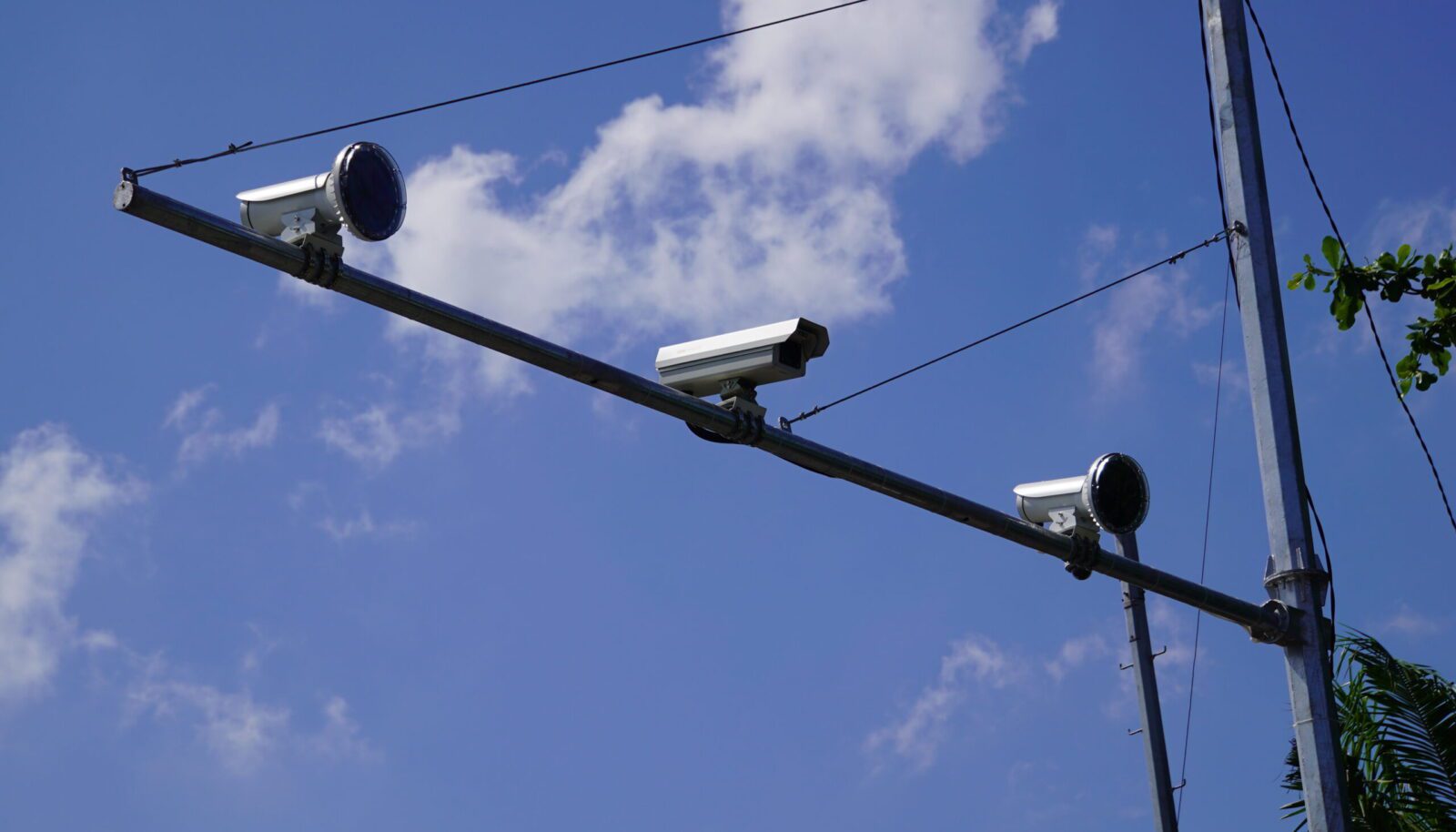
Amid the complexity of urban mobility, conventional traffic light systems based on static timers are no longer adequate. Their limitations in responding to real-time traffic fluctuations are a primary cause of inefficiency and congestion. Now, a technological leap forward is emerging with the 5th Generation APILL (Traffic Signal Control Device) in the Intelligent Traffic Control System (ITCS), a proactive and adaptive smart traffic management system powered by 3D Digital Twin and Artificial Intelligence (AI) technology.
Understanding this technology is no longer an option, but a strategic necessity for designing efficient, sustainable cities and logistics systems that are ready to face the future.
The Heart of Technology: The Role of AI and the Benefits of 3D Digital Twin for Traffic
The transformative power of the 5th Generation APILL stems from the collaboration of two core technologies:
- 3D Digital Twin
This technology creates a dynamic and precise virtual replica of a city, functioning as a “digital twin” of the physical traffic network in real time. This technology aggregates data from thousands of IoT sensors, cameras, and GPS to create a precise digital model. The benefits of 3D Digital Twins for traffic are immense, as they enable urban planners or stakeholders to simulate and test various scenarios—such as traffic rerouting or the impact of a significant event—virtually, without risking disruption to real-world traffic.
- Artificial Intelligence (AI)
AI plays the role of the “brain” of the entire system in traffic optimization. AI analyzes real-time data from the Digital Twin, predicts potential congestion, and autonomously calibrates traffic signal durations across the city to ensure the most efficient vehicle flow.
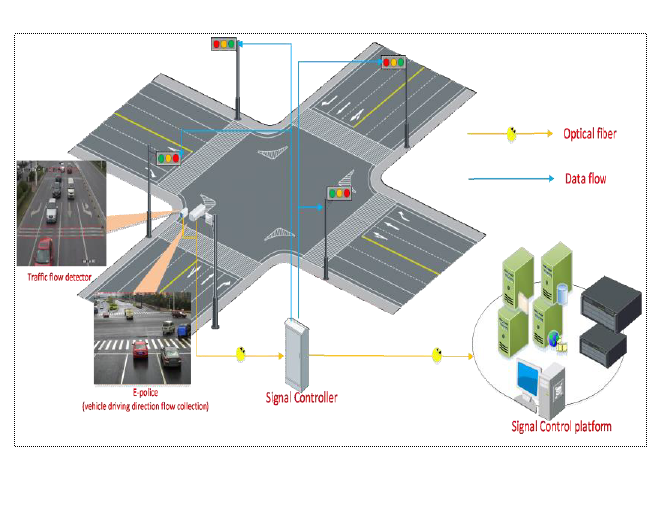
Key Capabilities of ITCS (5th Generation APILL) from PT TKDN Tbk
PT Teknologi Karya Digital Nusa Tbk (TKDN) has implemented the ITCS APILL Generation 5 with a series of advanced capabilities designed to provide maximum control and efficiency. This solution includes a fully integrated system to provide intelligent responses to every dynamic on the road with the following features:
- Self-Adaptive & Actuated System
This system is fully dynamic. The adaptive capabilities of AI enable it to continuously learn from historical and real-time traffic patterns, refining its algorithms accordingly. Meanwhile, its actuated nature ensures that traffic lights only activate when vehicles are present, eliminating unnecessary waiting times and maximizing road capacity and efficiency at every intersection.
- Coordinated Green Wave & Bus Priority
Another key feature is the green wave traffic system. This technology creates green corridors for public transport vehicles, drastically reducing travel times and enhancing the reliability of city bus services. Vehicles traveling at recommended speeds will continuously encounter green lights, reducing the frequency of stop-and-go traffic, saving fuel, and significantly cutting travel times.
- VIP Green Wave
For special needs, the system can provide unobstructed priority lanes for buses or public transportation, emergency vehicles such as ambulances and fire trucks, as well as VVIP vehicle convoys, thereby enhancing operational efficiency and safety.
Strategic Implications for Long-Term Value for Government and Industry
The implementation of the 5th Generation APILL system has strategic implications that go beyond mere traffic smoothness:
- For the Government
This technology serves as the foundation for data-driven transportation policies. Governments can analyze mobility data to optimize public transportation routes, plan infrastructure development, and accelerate the realization of sustainable Smart City goals.
- For Corporations and Industry
The logistics and distribution sectors will experience direct benefits through operational efficiency. Higher delivery time predictability, reduced fleet fuel costs, and increased productivity are concrete, measurable outcomes that provide a real competitive advantage.
In conclusion, APILL Generation 5, featuring 3D Digital Twin and AI technology, is not merely an infrastructure upgrade. It is a transformative platform that enables the holistic and intelligent management of urban mobility ecosystems. PT Teknologi Karya Digital Nusa Tbk (PT TKDN Tbk) is at the forefront of providing and implementing these advanced solutions, ready to be your strategic partner in entering the new era of smart transportation.
-
PT TKDN Tbk (TRON) Supports Public Transportation Electrification through Focus Group Discussions (FGDs) Organized by the Ministry of Transportation
-
APILL Generation 5, Revolutionizing Traffic Management with 3D Digital Twin and AI
-
Road Surface Scanning with LiDAR Technology, the Foundation of Modern Road Asset Management
-
Redefining Urban Mobility: The Crucial Role of Intelligent Traffic Control Systems (ITCS) in the Era of Electric Vehicles
-
Electric Vehicle Battery Swap Revolution: A Smart Solution for Indonesia's EV Ecosystem