Teknologi baterai swap mobil listrik, Keuntungan mobil listrik, Tren kendaraan listrik Indonesia, Apa itu baterai swap?, Perbandingan biaya operasional mobil listrik dan mobil konvensional, Infrastruktur baterai swap di Jakarta, Cara kerja stasiun pengisian kendaraan listrik umum (SPKLU), Harga mobil listrik dengan sistem baterai swap, Promo pembelian mobil listrik dengan baterai swap di Indonesia, Review pengguna mobil listrik dengan baterai swap, Panduan instalasi home charging station untuk mobil listrik
Teknologi baterai swap mobil listrik, Keuntungan mobil listrik, Tren kendaraan listrik Indonesia, Apa itu baterai swap?, Perbandingan biaya operasional mobil listrik dan mobil konvensional, Infrastruktur baterai swap di Jakarta, Cara kerja stasiun pengisian kendaraan listrik umum (SPKLU), Harga mobil listrik dengan sistem baterai swap, Promo pembelian mobil listrik dengan baterai swap di Indonesia, Review pengguna mobil listrik dengan baterai swap, Panduan instalasi home charging station untuk mobil listrik
Electric Vehicle Battery Swap Revolution: A Smart Solution for Indonesia's EV Ecosystem
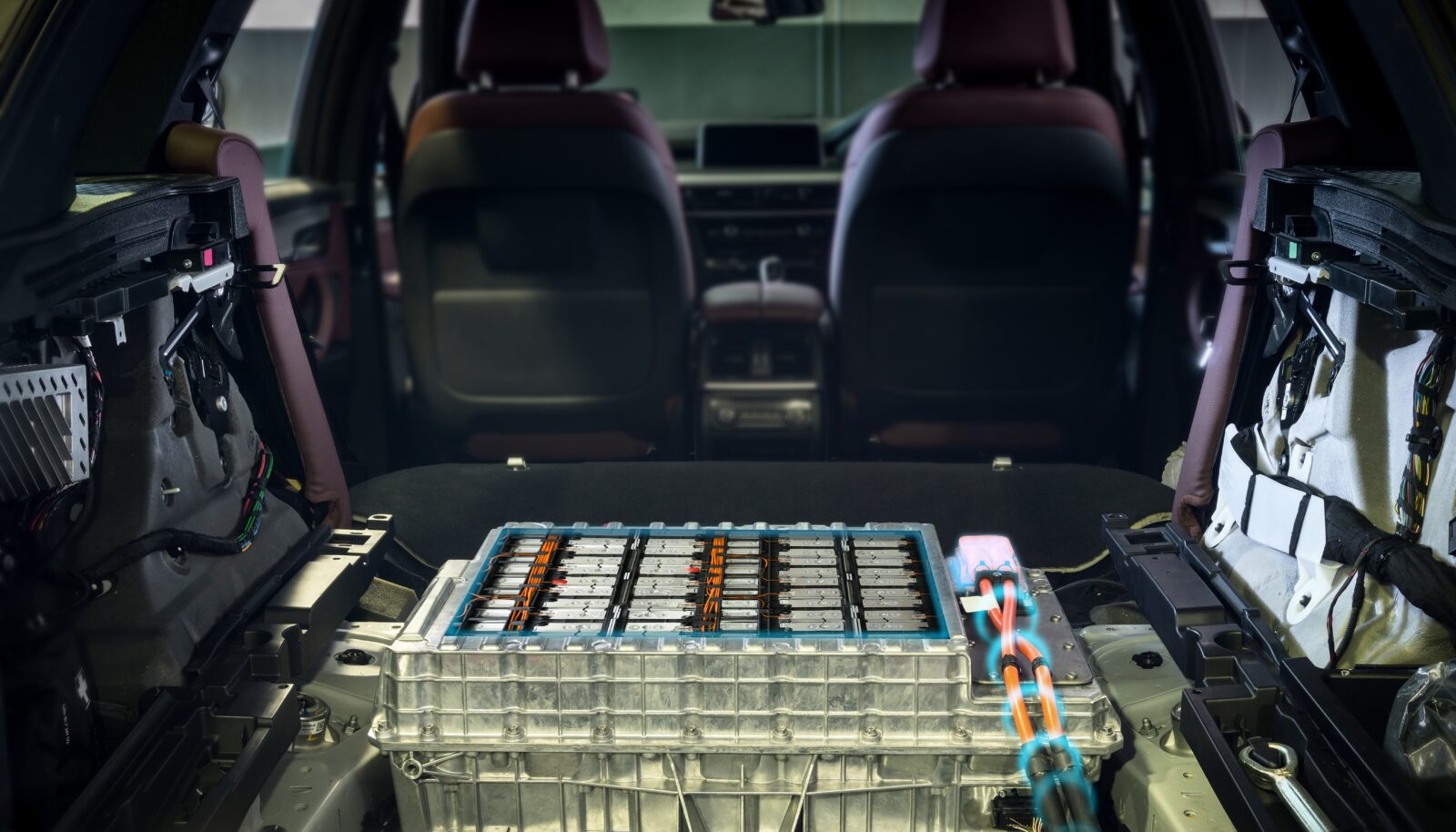
The development of electric cars in Indonesia shows a very positive trend. However, behind this growth, the debate between battery swap and conventional charging remains a contentious issue. Many potential users are concerned about charging time and mileage. Responding to this challenge, an innovation called electric car battery swapping, often referred to as the swab battery system, has emerged as a revolutionary alternative. This technology has great potential to shape the future of electric cars in Indonesia.
Understanding How the Fast and Practical Battery Swap Works
For those unfamiliar with the concept, how does the battery swap work? The idea is simple and efficient. Users simply need to visit a Power Swap Station (PSS), a facility specifically designed for the process of swapping electric vehicle batteries.
At this station, your depleted battery will be replaced with a fully charged one by an automated system. The entire process is incredibly fast, usually taking only 3 to 5 minutes. This speed directly addresses the main problem with conventional charging, which can take hours.
Exploring the Advantages of Battery Swapping: More Than Just Time Savings
There are many advantages to battery swapping that make it superior. It’s not just about speed, but also about efficiency and long-term costs in the evolution of EV battery technology.
- More Affordable Initial Costs: Battery swap enables a Battery-as-a-Service (BaaS) business model. You can purchase an electric car without having to pay for an expensive battery, as it is leased. This results in a significantly lower purchase price for the vehicle.
- Guaranteed Battery Health: PSS service providers are fully responsible for maintenance, charging cycles, and battery degradation. Users no longer need to worry about battery life or performance, as each swap guarantees a battery in optimal condition.
- Supporting Commercial Sector Productivity: For logistics fleets, online taxis, or public transportation, the battery swab system is a game changer. Vehicle downtime for charging can be minimized, significantly increasing productivity and operating income.
Building a Resilient EV Ecosystem
Although promising, the primary challenge in implementing this system is standardizing the battery. An agreement between manufacturers is necessary to enable the use of a single type of battery across various car brands. This is the key to building a robust and interconnected EV ecosystem nationwide.
Seeing this vast opportunity, PT Teknologi Karya Digital Nusa Tbk (TKDN) has taken on the role of pioneer.
The company is fully committed to developing swap battery technology focused on freight and public transportation. Through strategic collaborations and massive investments, PT Teknologi Karya Digital Nusa Tbk has the potential to become a major player in the EV ecosystem in Indonesia, accelerating the transition to more efficient and environmentally friendly transportation. This initiative is a concrete step toward realizing Indonesia’s vision of becoming a leader in the regional electric vehicle industry.
-
PT TKDN Tbk (TRON) Supports Public Transportation Electrification through Focus Group Discussions (FGDs) Organized by the Ministry of Transportation
-
APILL Generation 5, Revolutionizing Traffic Management with 3D Digital Twin and AI
-
Road Surface Scanning with LiDAR Technology, the Foundation of Modern Road Asset Management
-
Redefining Urban Mobility: The Crucial Role of Intelligent Traffic Control Systems (ITCS) in the Era of Electric Vehicles
-
Electric Vehicle Battery Swap Revolution: A Smart Solution for Indonesia's EV Ecosystem