Swap Battery Indonesia, Kendaraan Listrik Berbasis Baterai Tukar, Pengurangan Emisi Karbon Swap Battery, Infrastruktur Swap Battery di Indonesia, Transisi Energi Bersih Indonesia, Manfaat Swap Battery untuk Transportasi, Tantangan Swap Battery di Indonesia, Regulasi Swap Battery Indonesia, Investasi Swap Battery di Indonesia, PT TKDN Tbk Pelopor Swap Battery Indonesia
Swap Battery Indonesia, Kendaraan Listrik Berbasis Baterai Tukar, Pengurangan Emisi Karbon Swap Battery, Infrastruktur Swap Battery di Indonesia, Transisi Energi Bersih Indonesia, Manfaat Swap Battery untuk Transportasi, Tantangan Swap Battery di Indonesia, Regulasi Swap Battery Indonesia, Investasi Swap Battery di Indonesia, PT TKDN Tbk Pelopor Swap Battery Indonesia
Swap Battery: Sustainable Transportation Solutions in Indonesia
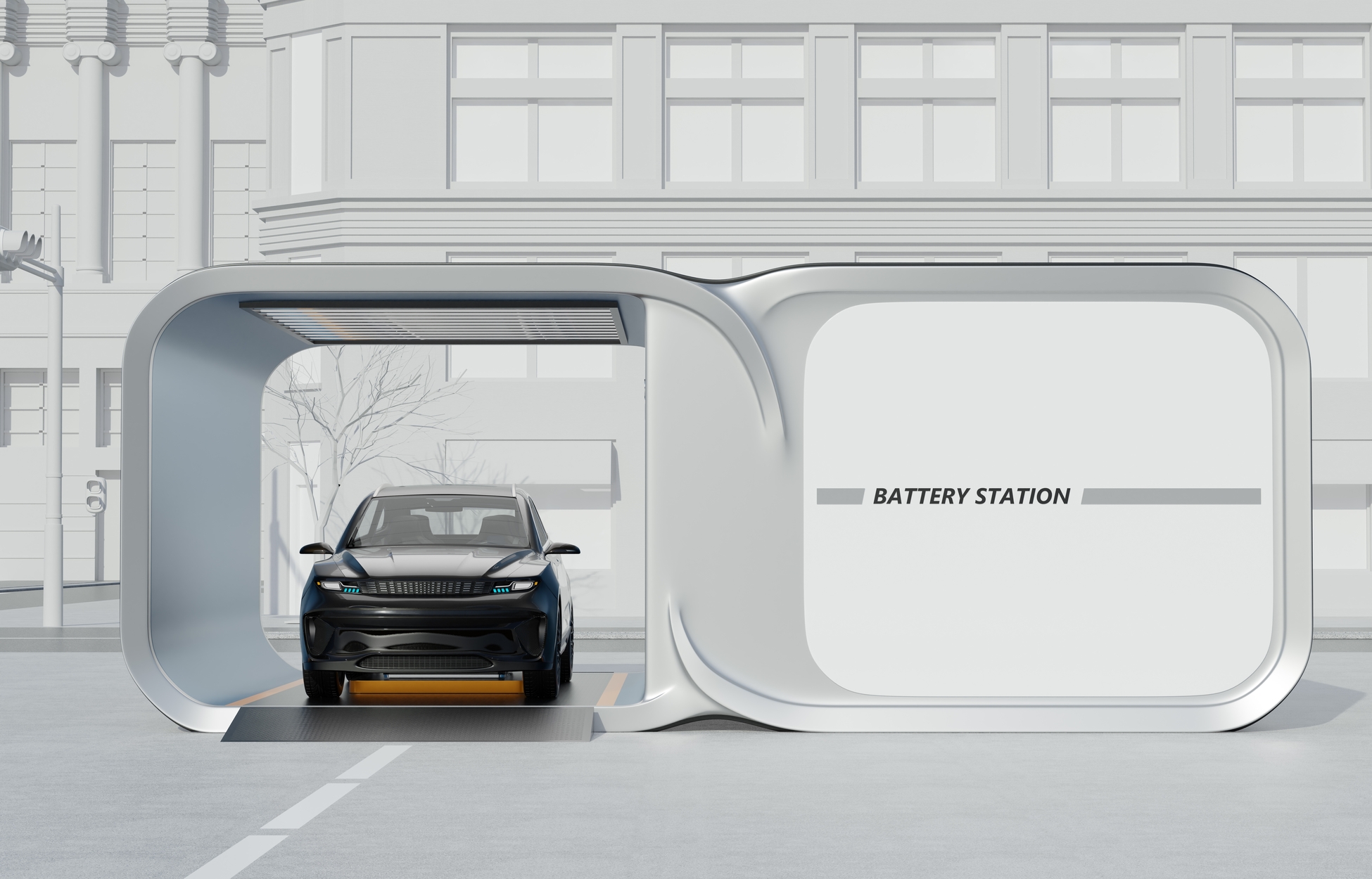
In recent years, the issues of climate change and air pollution have become a serious concern worldwide, including in Indonesia. As a country with high levels of air pollution, Indonesia needs innovative solutions to reduce carbon emissions and improve air quality.
One promising solution is the use of battery swaps in the transportation system. This article will discuss the contribution of battery swaps to reducing carbon emissions, their potential in supporting government programs for clean energy transition, as well as the challenges and opportunities for their development in Indonesia.
The Contribution of Battery Swaps to Reducing Carbon Emissions and Air Pollution
1. Reduction of Carbon Emissions
Swap batteries allow electric vehicles to charge quickly and efficiently, reducing dependence on fossil fuels. By using electrical energy from renewable sources such as solar or wind power, swap batteries can significantly reduce carbon emissions. According to research from the International Energy Agency (IEA), the use of electric vehicles with swap battery systems can reduce CO2 emissions by up to 50% compared to fossil fuel vehicles.
2. Reduction of Air Pollution
Air pollution, especially in big cities like Jakarta, is a serious health problem. Swap battery helps reduce air pollution by replacing conventional motor vehicles with cleaner electric vehicles. According to data from the World Health Organization (WHO), the use of electric vehicles can reduce harmful pollutants such as NOx and PM2.5, which contribute to respiratory problems and cardiovascular disease.
Baca juga : Swap Battery vs Charging: Mana yang Lebih Baik?

The Potential of Battery Swap in Supporting Government Programs for Clean Energy Transition
1. Supporting the National Electric Vehicle Program
The Indonesian government has issued various policies to encourage the use of electric vehicles, including Presidential Regulation No. 55 of 2019 concerning the Acceleration of the Battery-Based Electric Motor Vehicle Program. Battery swapping can be a key component of this program by providing fast and affordable charging infrastructure. With the battery swap system, electric vehicle users can replace dead batteries with charged ones in minutes, increasing convenience and efficiency.
2. Supporting Clean Energy Transition
Swap batteries can also support the transition to clean energy by utilizing renewable energy sources to charge batteries. Indonesia has great potential in renewable energy, including solar, wind, and geothermal. By integrating swap batteries with renewable energy sources, Indonesia can reduce its dependence on fossil fuels and achieve its target of net-zero emissions by 2060.
Challenges and Opportunities for Battery Swap Development in Indonesia
1. Regulation and Standardization
One of the main challenges in the development of battery swaps in Indonesia is the lack of clear regulation and standardization. The government needs to issue policies that support the development of battery swap infrastructure, including standardization of battery sizes and specifications. This will make it easier for electric vehicle manufacturers and battery swap service providers to work together and develop an integrated ecosystem.
2. Investment and Infrastructure
The development of battery swaps requires a large investment in infrastructure, including the construction of battery swap stations and the procurement of spare batteries. The government and the private sector need to work together to attract investment and build the necessary infrastructure. In addition, strategic partnerships between local and international companies are needed to develop battery swap technology and business in Indonesia.
3. Public Awareness and Education
Another challenge is the lack of public awareness and education about the benefits of battery swaps. Educational campaigns are needed to increase public understanding of the benefits of battery swaps, including reduced operating costs, increased comfort, and their contribution to the environment.
4. Large Market Potential
Indonesia has a large market potential for battery swaps, given its large population and high use of motor vehicles. With the right support, battery swaps can be a major solution for sustainable transportation in Indonesia, especially in big cities facing problems of air pollution and congestion.
PT Teknologi Karya Digital Nusa Tbk (TKDN) as the Pioneer of Battery Swap in Indonesia
As a company committed to innovation and sustainability, PT Teknologi Karya Digital Nusa Tbk (TKDN) has taken a strategic step in developing the battery swap ecosystem in Indonesia. Through strategic partnerships with international companies such as Sinoron, TKDN aims to build an integrated battery swap infrastructure and support the transition to clean energy in Indonesia.
In a previous article, we discussed the Strategic Partnership between TKDN and Sinoron in the Development of the Swap Battery-Based Electric Vehicle Ecosystem in Indonesia. This partnership is an important step in realizing TKDN’s vision as a pioneer of swap batteries in Indonesia.
If you are interested in learning more about the implementation of battery swapping or would like to discuss EV adoption strategies in Indonesia, please do not hesitate to contact us. Let’s build a greener transportation future together!
Battery swaps have great potential to support sustainable transportation in Indonesia. By reducing carbon emissions and air pollution, and supporting government programs for the transition to clean energy, battery swaps can be an innovative solution to Indonesia’s environmental and energy challenges. However, the development of battery swaps requires strong regulatory support, investment, and public education.
As the pioneer of battery swaps in Indonesia, PT Teknologi Karya Digital Nusa Tbk (TKDN) is ready to lead this transformation. With a commitment to innovation and sustainability, TKDN invites all parties to join in realizing a cleaner and more sustainable transportation future in Indonesia.
-
TRON Supports Smart Transportation Transformation in Indonesia, Realizing the Vision and Mission of Safety at the 17th ORGANDA National Congress (MUNAS) in 2026
-
Maximum Protection for Electric Buses Through TRON’s Fire Management Solution
-
Technology Business Model Transformation: TRON’s Vision for a Sustainable Smart Mobility Ecosystem
-
Secure Cargo and Your Fleet in Parking Areas with the Delay Shutdown Feature
-
High-Standard EV Asset Protection: Early Detection of Thermal Runaway