Swap Battery vs Charging Mana yang Baik?, Apa itu swap battery kendaraan listrik, Perbedaan swap battery dan charging konvensional, Swap battery vs charging: mana lebih hemat, Kelebihan dan kekurangan swap battery, Stasiun swap battery terdekat di Indonesia, Biaya swap battery kendaraan listrik di Indonesia, PT TKDN Tbk swap battery untuk angkutan barang, Jasa swap battery , Swap battery mobil listrik tercepat, Charging konvensional vs swap battery untuk EV, Harga baterai mobil listrik 2025, Stasiun charging kendaraan listrik di Indonesia
Swap Battery vs Charging Mana yang Baik?, Apa itu swap battery kendaraan listrik, Perbedaan swap battery dan charging konvensional, Swap battery vs charging: mana lebih hemat, Kelebihan dan kekurangan swap battery, Stasiun swap battery terdekat di Indonesia, Biaya swap battery kendaraan listrik di Indonesia, PT TKDN Tbk swap battery untuk angkutan barang, Jasa swap battery , Swap battery mobil listrik tercepat, Charging konvensional vs swap battery untuk EV, Harga baterai mobil listrik 2025, Stasiun charging kendaraan listrik di Indonesia
Battery Swap vs Charging: Which is Better?
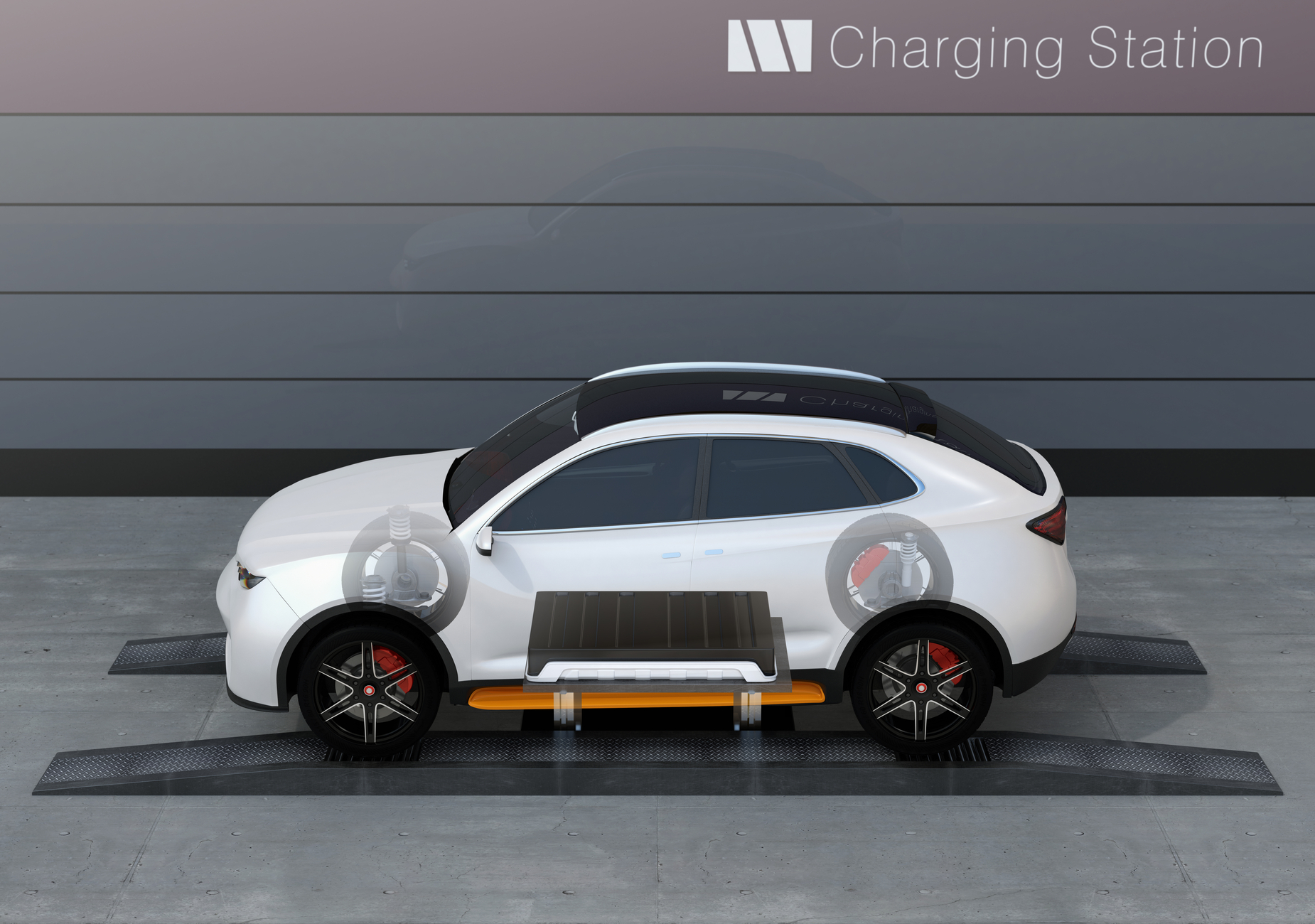
With the increasing popularity of electric vehicles (EVs), charging infrastructure is an important topic. The two main methods that are developing are battery swapping and conventional charging. This article will compare the two methods from various aspects, including time, cost, practicality, infrastructure availability, and environmental impact. Current data and facts will be presented to support the argument, as well as involving the perspectives of experts and EV users.
In Indonesia, PT Teknologi Karya Digital Nusa Tbk (PT TKDN Tbk) has been a pioneer in the development of battery swap technology, especially for freight and public transport. The company is committed to building an efficient and environmentally friendly electric vehicle ecosystem through strategic collaborations with global players such as PT Industri Baterai Indonesia (IBC) and China Hualong International Construction Corporation (Sinoron).
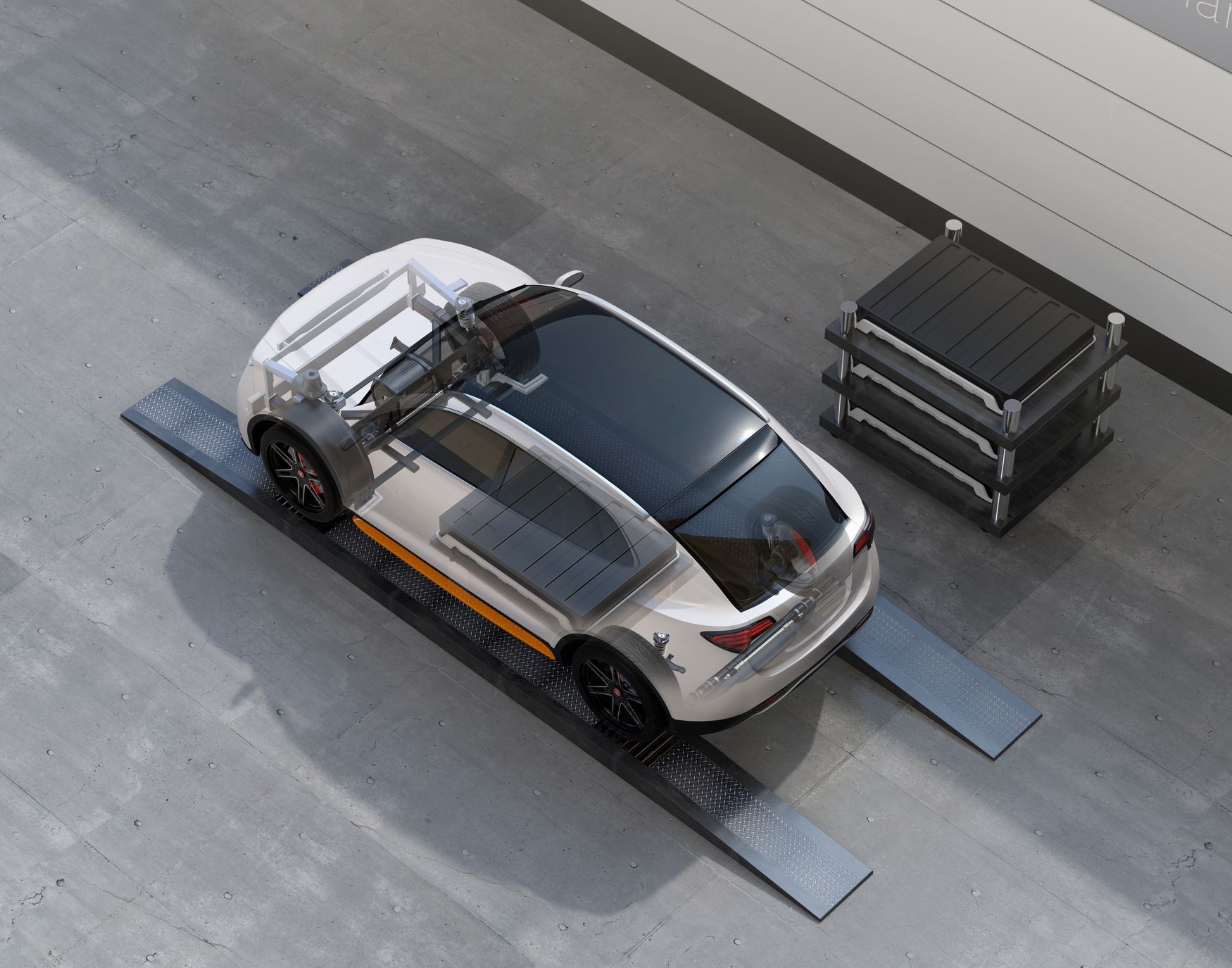
Comparison of Battery Swap and Conventional Charging
Time
– Battery Swap: The battery exchange process only takes 1-5 minutes, depending on the technology used. For example, CATL’s “Choco-Swap” can swap batteries in 100 seconds.
Conventional Charging: Charging time varies from 30 minutes (fast charging) to several hours (slow charging), depending on battery capacity and charger type.
Cost
Swap Battery: The monthly fee for the battery swap service starts at 369 yuan ($51) for the basic package and can reach 599 yuan ($83) for the premium package. Although more expensive than charging, battery swapping eliminates the initial cost of purchasing a battery.
– Conventional Charging: The cost of charging depends on the local electricity tariff and the type of charger. Charging at home is cheaper, while fast charging at public stations can be more expensive due to infrastructure and maintenance costs.
Practicality
Swap Battery: Very practical for users who need a short time, such as taxi drivers or commercial vehicles. However, the availability of swap stations is still limited.
Conventional Charging: More flexible because it can be done at home, workplace, or public charging station. However, long waiting times can be an obstacle.
Infrastructure Availability
– Swap Battery: Swap battery infrastructure is still under development. CATL plans to build 1,000 swap stations in China by 2025, with a long-term target of 10,000 stations.
– Conventional Charging: The charging network is already more extensive, with millions of charging stations available worldwide. However, distribution is uneven, especially in rural areas.
Environmental Impact
Swap Battery: Has the potential to reduce battery waste because the batteries used in swap stations are centrally managed and recycled more efficiently.
Conventional Charging: The environmental impact depends on the source of electrical energy. If the electricity comes from renewable sources, the impact is lower. However, the use of poorly managed batteries can increase electronic waste.
Expert and EV User Perspectives
- Robin Zeng (CATL CEO): “Swap batteries, home charging, and public charging will be the three main pillars of EV infrastructure in the future.” Source
- Lei Xing (Chinese Automotive Market Analyst): “Swap batteries may not become mainstream, but they will be an important part of the EV infrastructure landscape.” Source
- EV user (Wang Wubing, Didi Driver): “I use the swap station to save time, even though it costs more than traditional charging”. Source
Current Data and Facts
– China: Leading the way in battery swap development with a target of 16,000 swap stations by 2025. Sources 1 & 2
– Global: Swap batteries are expected to dominate 10% of the global EV market by 2030, with hundreds of millions of battery swaps each year. Source
– Battery Cost: Battery costs have dropped 85% since 2010, making EVs more affordable and driving the adoption of swap batteries. Source
Battery swapping and conventional charging each have advantages and disadvantages. Battery swapping offers speed and convenience, while conventional charging is more flexible and affordable. The best choice depends on user needs and the availability of infrastructure in their area.
For infrastructure developers, investment in battery swapping can be a long-term solution, especially for commercial vehicles.
Meanwhile, individual users may prefer conventional charging due to lower costs and wider availability.
In Indonesia, PT Teknologi Karya Digital Nusa Tbk (PT TKDN Tbk) has taken a big step in developing battery swaps for freight and public transportation. With strategic collaboration and massive investment, this company has the potential to become a major player in the EV ecosystem in Indonesia.
-
TRON Supports Smart Transportation Transformation in Indonesia, Realizing the Vision and Mission of Safety at the 17th ORGANDA National Congress (MUNAS) in 2026
-
Maximum Protection for Electric Buses Through TRON’s Fire Management Solution
-
Technology Business Model Transformation: TRON’s Vision for a Sustainable Smart Mobility Ecosystem
-
Secure Cargo and Your Fleet in Parking Areas with the Delay Shutdown Feature
-
High-Standard EV Asset Protection: Early Detection of Thermal Runaway