Why Smart Buses Are Key to the Future of Transportation

In an increasingly advanced digital era, the concept of “smart buses” has become a hot topic of conversation among bus company owners, transportation business entities, and body shop companies. As technology continues to evolve, the transportation sector does not want to be left behind. Smart buses are innovations that integrate advanced technologies to improve operational efficiency and passenger experience. This article will explain why smart buses are important, how this technology can be implemented, and what benefits can be derived from its use.
What is a Smart Bus?
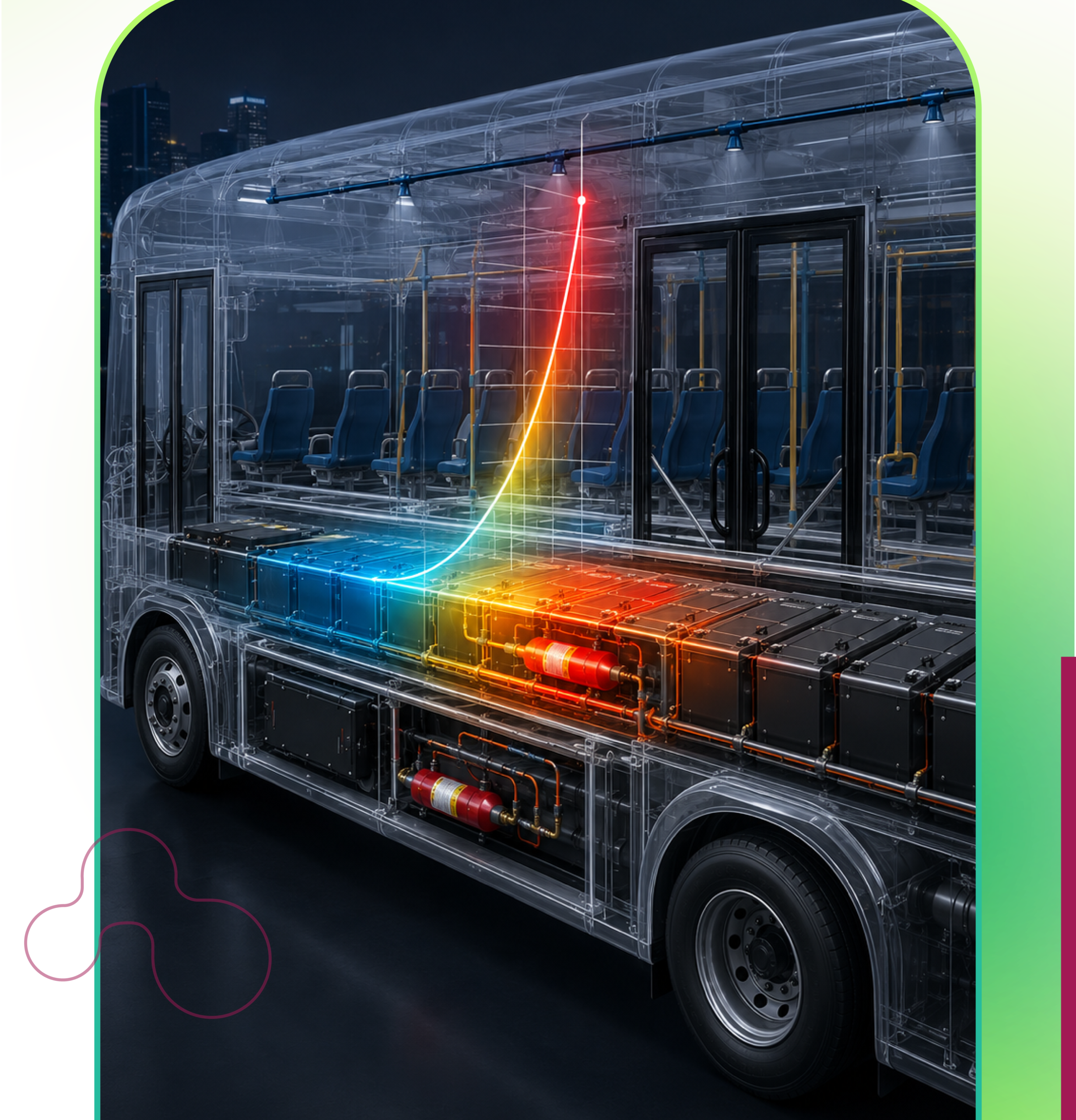
A smart bus is a vehicle equipped with cutting-edge technology designed to improve operational efficiency and passenger comfort.It includes features such as intelligent navigation systems, safety sensors, as well as communication platforms that enable real-time data collection and analysis.With these technologies, bus operators can monitor vehicle conditions, track travel routes, and provide up-to-date information to passengers.
Key Features
One of the key features is the Internet of Things (IoT)-based surveillance system that enables continuous monitoring of every aspect of bus operations. In addition, integration with mobile apps allows passengers to monitor the real-time position of the bus, get estimated arrival times, and receive route change notifications. The technology also enables predictive maintenance, so that breakdowns can be anticipated before they occur.
Benefits for PO Owners and Bodybuilding Companies
For PO owners and body shop companies, smart buses offer a significant improvement in operational efficiency. With an integrated monitoring system, maintenance costs can be reduced, while productivity and uptime can be improved. In addition, the data collected can be used to optimize routes and schedules, improving passenger satisfaction levels.
Advantages for Tourist Bus Operators
Smart buses also provide special advantages to tour bus operators. With this technology, real-time location tracking facilitates trip coordination and ensures that passengers have a pleasant sightseeing experience. In addition, integrated on-board entertainment features can enhance passenger comfort and satisfaction during the trip.
Understanding Current Smart Bus Technology
Today’s technology encompasses a wide range of innovations designed to improve operations and passenger experience.
From advanced GPS navigation systems to digital information screens that provide passengers with the latest updates, these technologies are designed to make traveling safer and more comfortable.
Smart Navigation Technology Analysis
Intelligent navigation systems allow drivers to adjust routes in real-time based on traffic and weather conditions. This not only reduces travel time but also saves fuel and reduces greenhouse gas emissions.
Integrated Security System
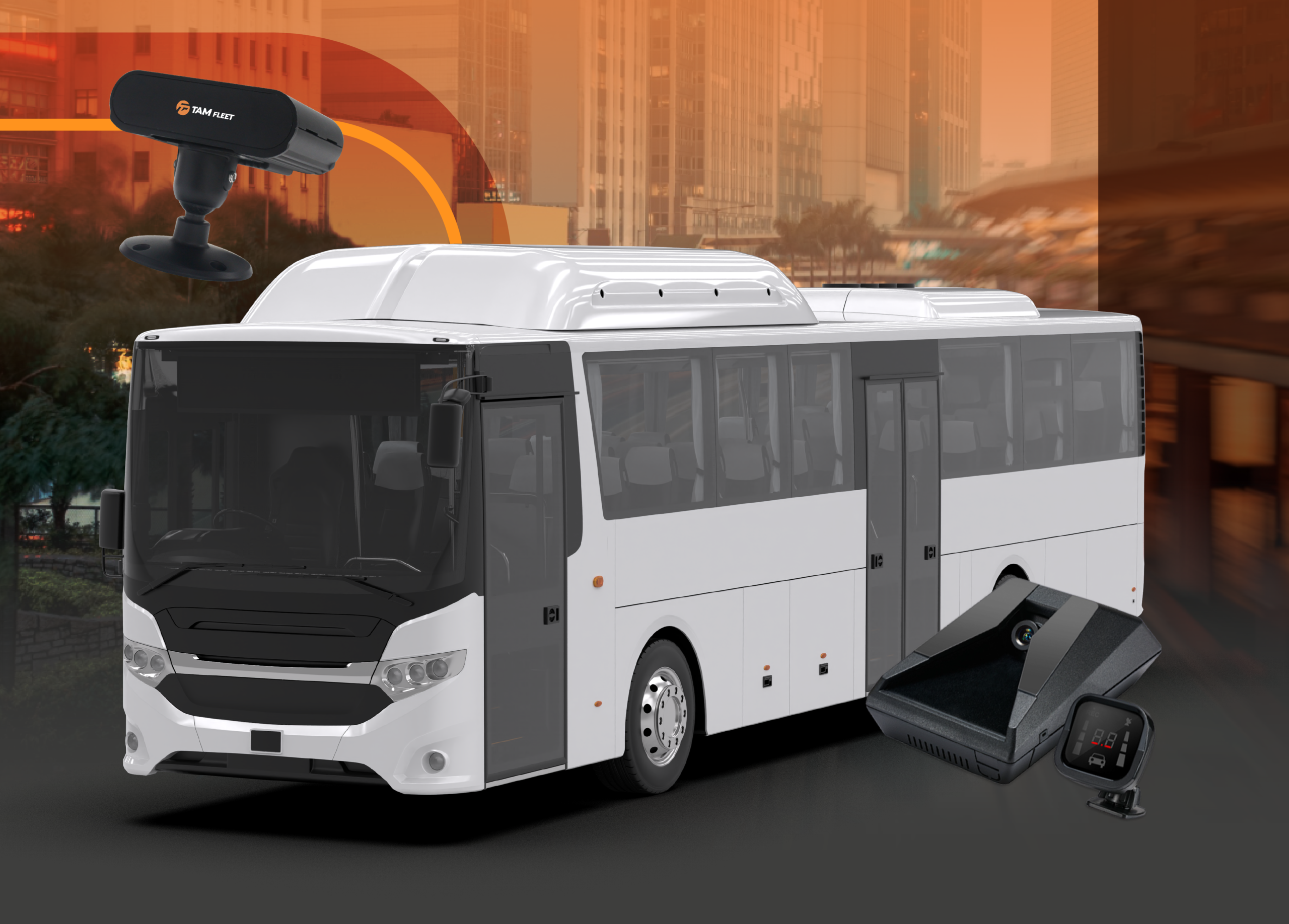
Safety sensors installed on smart buses can detect potential hazards and provide early warnings to drivers. In addition, surveillance cameras connected to the control center allow operators to monitor activities inside the bus and take action if needed.
Communication and Information Platform
Smart buses are equipped with communication platforms that enable direct interaction between operators and passengers. Passengers can access up-to-date information on routes, arrival times, and traffic conditions via mobile applications, while operators can provide important updates and information quickly and efficiently.
Successful Implementation Case Studies
Many transportation companies have successfully implemented smart bus technology and achieved significant benefits.
Here are some examples of case studies that can serve as inspiration.
PT Teknologi Karya Digital Nusa Tbk
PT Teknologi Karya Digital Nusa Tbk is one of the leading technology companies providing smart bus solutions in Indonesia. With its IoT-based fleet management system, the company has helped many bus operators improve their operational efficiency and safety.
Implementation in Big Cities
In big cities, it has become an integral part of the public transportation system. With technology that allows passengers to monitor arrival times and route changes in real-time, smart buses have improved the convenience and efficiency of transportation services.
Bus Business Success
Several bus companies have reported significant improvements in customer satisfaction after adopting this technology. With enhanced entertainment features and accurate travel information, they have managed to attract more passengers and increase revenue.
Future Trends of Smart Bus Technology
In the next few years, this technology is expected to continue to evolve and become more sophisticated.
These developments will include integration with electric vehicle technology, the use of artificial intelligence for more advanced data analysis, and the utilization of blockchain technology for data security.
Artificial Intelligence for Data Analytics
The use of artificial intelligence will enable more in-depth and accurate data analysis. With AI, operators can predict passenger travel patterns, optimize schedules, and identify areas that require improvement.
Practical Solutions for Smart Bus Feature Integration
For companies looking to adopt smart bus technology, the following steps can help facilitate the transition and ensure a successful implementation.
Evaluate Needs and Goals
The first step is to evaluate the company’s needs and goals in adopting smart bus technology. Consider aspects such as increased efficiency, reduced costs, and improved passenger satisfaction.
Choose the Right Technology
Choose the right technology according to the company’s needs. Make sure to choose a technology provider that has a good reputation and experience in the field of smart transportation.
Train Staff and Employees
Ensure that staff and employees receive adequate training to use smart bus technology. This will ensure that all parties can utilize the features and benefits offered by this technology.
10 Pain Points of Not Adopting Smart Bus
Ignoring the transformation to smart buses can cause various problems for transportation operators and companies. Here are some of the pain points that may be faced.
- Lost Market Opportunities – Without smart bus technology, companies may miss out on opportunities to attract new passengers and increase market share.
- Operational Inefficiencies – Inefficient operations can lead to increased costs and decreased productivity.
- Decreased Customer Satisfaction – Dissatisfied passengers may switch to other more advanced and convenient services.
- Failure to Meet Safety Standards – Without integrated safety technology, the risk of accidents and other safety incidents may increase.
- Difficulty in Maintenance – Without a predictive maintenance system, maintenance costs may increase and uptime may be disrupted.
- Limitations in Data Collection – Manual data collection can be time-consuming and prone to errors.
- Lack of Innovation – Without adopting new technologies, companies can lose competitiveness in the market.
- Limitations in Monitoring and Tracking – Difficulties in monitoring and tracking vehicles can hamper operations.
- Poor Passenger Experience – Without up-to-date entertainment and information features, passenger experience can suffer.
- Difficulty in Improving Sustainability – Without green technology, it is difficult to reduce environmental impact and meet sustainability standards.
Conclusion
Adopting smart bus technology is a strategic move that can bring many benefits to PO Bus owners, transportation companies, and body shop companies. By improving operational efficiency and offering a better passenger experience, smart buses can help companies stay competitive in the growing market. If you are interested in finding out more about smart bus solutions, please feel free to contact PT TKDN Tbk at marketing@tkdn.co.id.